Guides · 28 July 2026 · 3 min read
Cooking vs Eating Out in Kigali: What You Really Spend on Food
Food is the most personal line in any Kigali budget. Here is the honest math of cooking at home versus eating out, and where the money quietly goes.
Food is the most personal line in anyone's budget, and in Kigali it is also the one where habits show up fastest. Two people on the same income can spend wildly different amounts on food, not because one earns more, but because one cooks and the other does not. Here is the honest comparison, and where the money quietly disappears.
Cooking at home: cheaper, and steadier
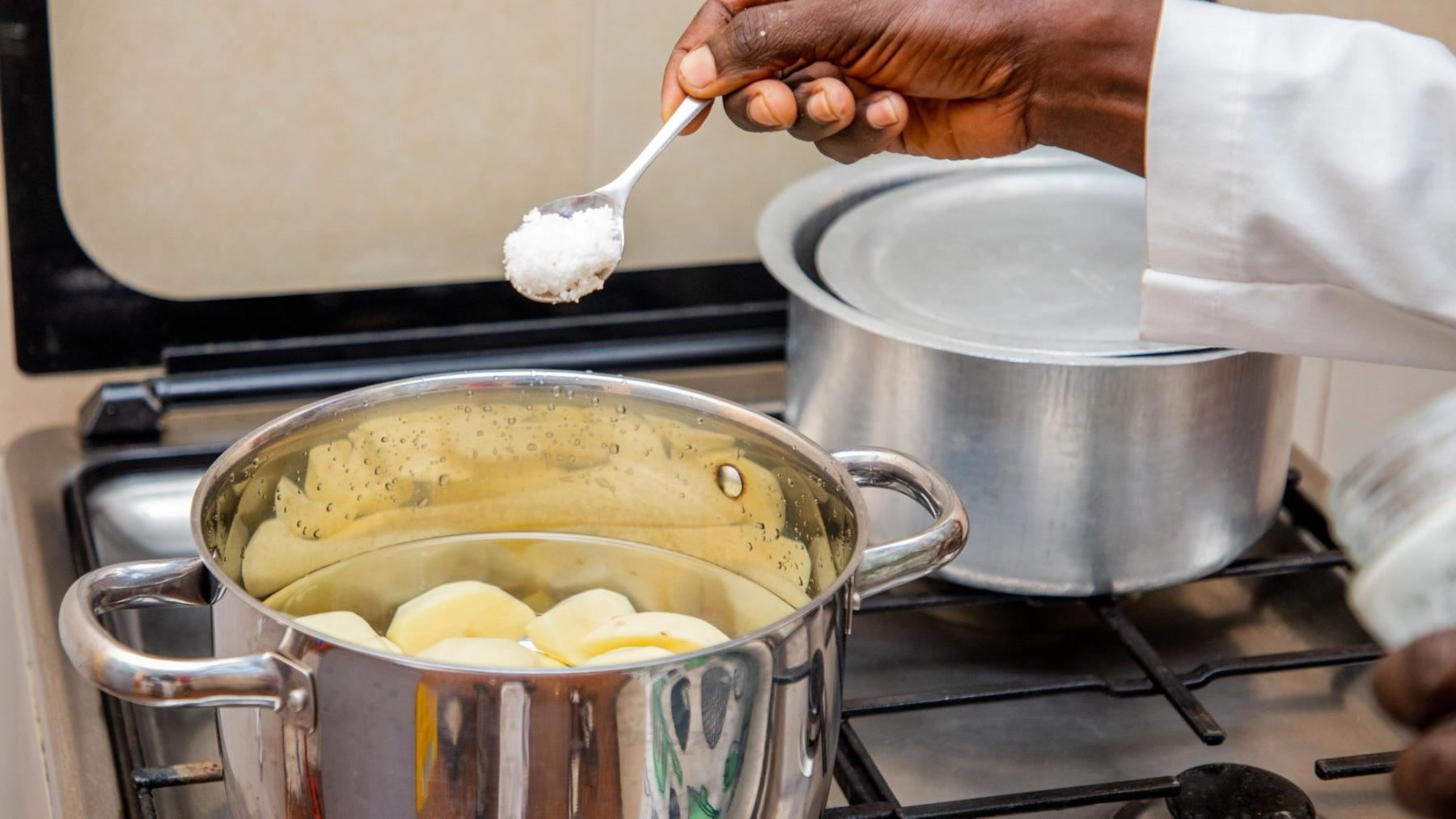
Buying from the market and cooking most of your meals is dramatically the cheaper path, and it is what keeps a food budget under control. Local produce is genuinely affordable when it is in season and bought from the market rather than a supermarket, and a common piece of local wisdom is to find one or two vendors you trust, take their numbers, and buy from them regularly, which saves both money and the time spent haggling.
Cooking takes effort, and that is the real cost, not the money. But in pure francs, a person who cooks most meals keeps their monthly food spend modest and, crucially, steady. It does not surprise them at month's end, because groceries are a visible, deliberate purchase.
Eating out: where the budget quietly goes
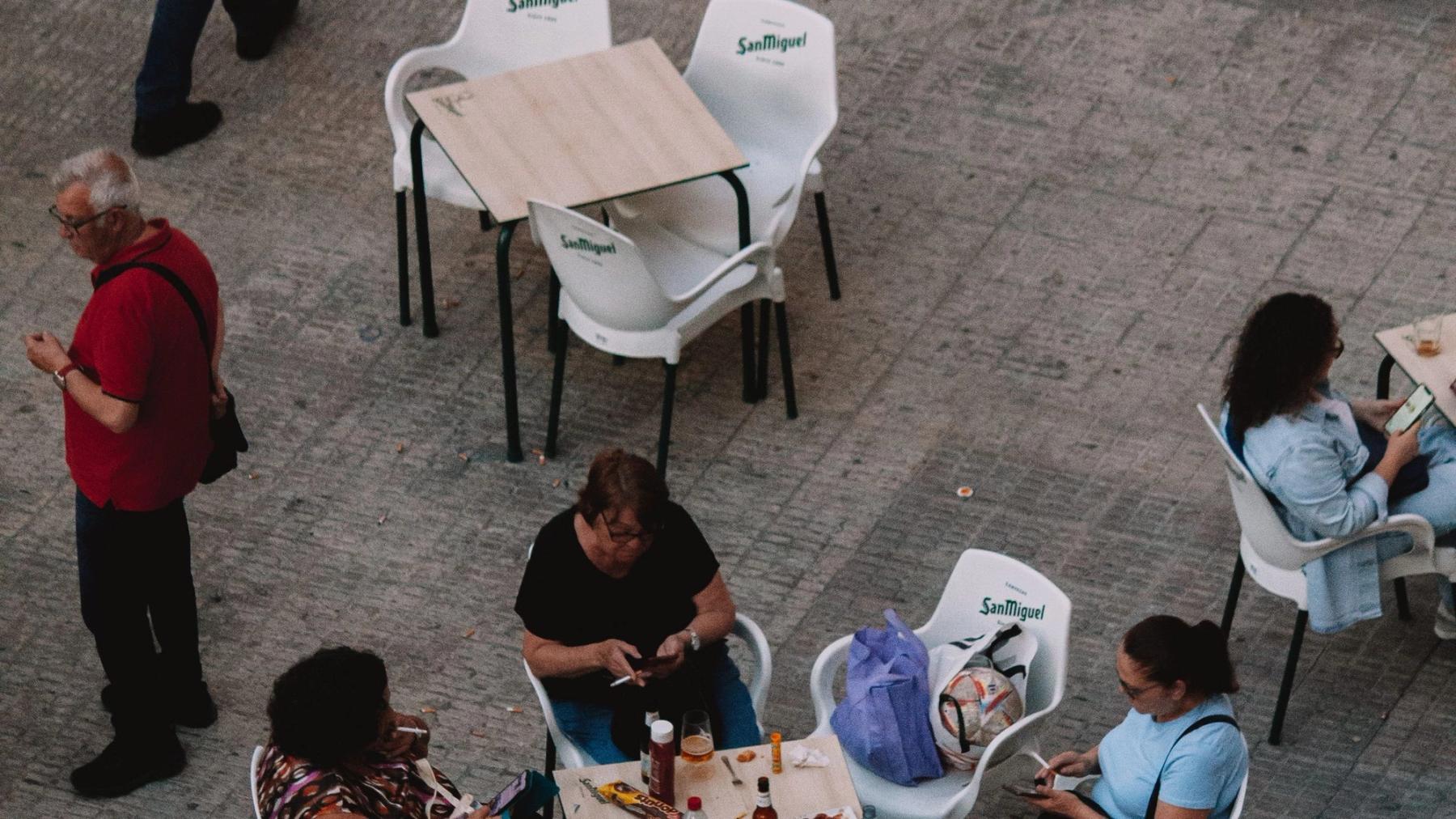
Eating out is where food budgets break, and they break quietly. A plate at a local restaurant or market stall is genuinely cheap, often around 1,000 RWF, which is exactly why it feels harmless. But harmless things done often are not harmless. A few plates a week, a coffee here, a mid-range meal now and then at 5,000 to 15,000 RWF, and you have built a second food budget on top of your groceries without ever deciding to.
The danger is not the occasional meal out, which is one of life's genuine pleasures and worth keeping. It is the drift, the slow move from cooking as default and eating out as a treat, to eating out as default and cooking as the thing you keep meaning to do. That drift is where the money goes, and because each purchase is small, it never announces itself.
The honest middle
The answer is not "never eat out", which is a joyless rule nobody keeps. It is knowing which one is your default. Cooking as the base, with eating out as a chosen, enjoyed exception, keeps food both affordable and pleasurable. The problem is only ever when the exception quietly becomes the rule, and you cannot tell that is happening without looking.
Seeing where your food money goes
Most people genuinely do not know their split between groceries and eating out, because the eating-out spending arrives in small, forgettable amounts scattered through the month. Guess it, and you will almost always guess low.
Pebla shows you the truth. On Android it reads your mobile money messages and sorts your spending into categories automatically, so you can see exactly what you spend on groceries versus eating out, without adding anything up yourself. For most people that first honest look is a mild shock, and a useful one, because once you can see the drift, you can decide about it. Eating out becomes a choice you make with your eyes open, rather than a habit that quietly empties the account.
This is also the spirit of spending without the guilt: the goal is not to stop enjoying food, but to see clearly enough that you can enjoy it without the quiet worry underneath.
Download Pebla on the App Store and Google Play.
Related: What it actually costs to live in Kigali per month · Spending without the guilt · Living in Kigali on a student budget