Guides · 28 July 2026 · 7 min read
What It Actually Costs to Live in Kigali Per Month
What it really costs to live in Kigali each month in Rwandan francs, broken down by rent, transport, food, and utilities, using local numbers rather than expat estimates.
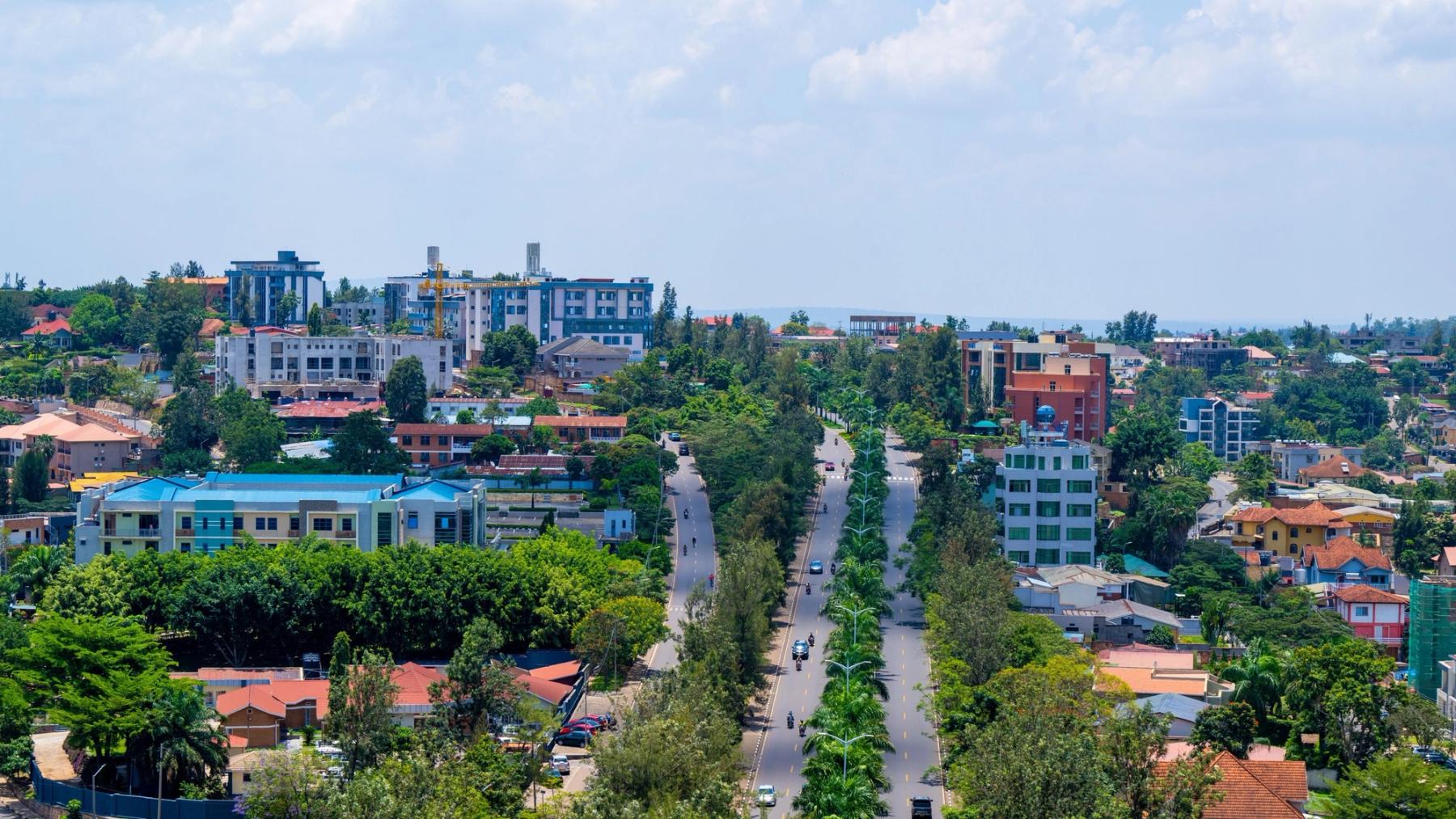
Ask ten people what it costs to live in Kigali and you will get ten answers, most of them guesses. Search online and it gets worse: the big cost-of-living websites quote figures in dollars, based mostly on what foreigners pay in the nicer neighbourhoods. Those numbers are real for that group, but they run two to three times higher than the reality for most people living and working here on local incomes.
This is a grounded, local breakdown of what a month in Kigali really costs, in Rwandan francs, for an ordinary single person living modestly. Your own number will land higher or lower depending on where you live and how you spend, but this gives you a realistic frame instead of an inflated one. All figures are for 2026, and where a cost is set by a regulator, this uses the official rate.
Rent: the biggest line by far
Rent is the single largest cost for almost everyone, and it swings widely by neighbourhood and by the kind of place you take.
At the lower end, a single room or a shared arrangement runs roughly 300,000 to 500,000 RWF a month, and it is how a great many young people live, precisely because the alternative is so much more. A modest self-contained one-bedroom in a local, non-central neighbourhood sits higher, around 600,000 to 800,000 RWF. The same size place in a central or sought-after area, Kacyiru, Kimihurura and the like, climbs past a million and keeps going. Those central listings are the ones that dominate the international websites, which is why those sites overstate Kigali so badly. They average the expensive end.
By neighbourhood, the cheaper options tend to be areas like Nyabugogo and parts of Kimironko, while Kacyiru and Kimihurura sit at the top. Where you live is the biggest lever you have over your monthly total, which is why so many of the everyday choices below, how far you commute, how often you eat out, come back to location.
Set rent against a typical local income and the picture gets honest fast. Many entry-level and ordinary salaries in Kigali fall well below what a solo one-bedroom costs, which is exactly why shared rooms and split places are the norm, not the exception. There is no shame in that arithmetic; it is simply the math of the city.
Transport: small trips that add up
Most people get around by moto, with buses the cheaper option on fixed routes. A short moto trip runs from around 400 RWF up to 1,500 or so, and a single bus fare sits near 400 to 700 RWF, paid with a Tap and Go card since Kigali buses do not take cash. Individually these feel like nothing, which is exactly the trap. Taken one at a time they never register as real spending; totalled over a month, a regular commuter's transport bill often lands somewhere around 15,000 to 40,000 RWF, higher than most people would ever guess.
This is the first place the gap between what you think you spend and what you actually spend shows up. Transport is made almost entirely of small, forgettable payments, which is what makes it so easy to underestimate.
Food: where your habits show
Food is the most personal line, because it depends entirely on how often you cook versus eat out. Cooking most meals at home keeps a single person's grocery budget modest, often in the range of 15,000 to 40,000 RWF a month, and less for very simple cooking. A plate at a local restaurant or market stall is affordable on its own, roughly 500 to 1,500 RWF. But a few of those a week quietly builds a second food budget on top of your groceries, and a mid-range restaurant meal, at 5,000 to 15,000 RWF, is a different tier again.
Like transport, food spending hides in frequency. It is rarely one big expense you can point to. It is many small ones that add up to a number that surprises people when they finally see it laid out.
Utilities and connectivity
Electricity in Kigali is prepaid for most households, bought as Cash Power. The rate is banded by monthly use: the first 20 units are charged at the protected lifeline rate of 89 RWF per unit, then 310 RWF per unit up to 50 units, and 369 RWF above that, under the tariffs effective from October 2025. In practice a modest household running lights, phone charging and a few small appliances spends somewhere around 10,000 to 25,000 RWF a month, rising quickly with heavy appliance use.
Water from WASAC adds roughly 5,000 to 15,000 RWF for a small household, billed monthly after a meter reading. Two smaller costs catch newcomers out entirely: a monthly community security contribution, usually around 2,000 to 3,000 RWF, and trash collection at roughly 3,000 to 5,000 RWF a month. Neither is large, but both are real and easy to forget when you budget. Home internet, if you have it, is a bigger fixed cost, commonly 30,000 to 70,000 RWF, though many people skip it and rely on mobile data instead. Airtime and data together, bought in small top-ups through the week, come to something like 5,000 to 15,000 RWF, and like transport it is a cost that hides in its own frequency until you actually total it.
Putting it together
Add the modest version of each line and a single person living carefully in Kigali arrives at a monthly total dominated by rent, with transport, food, utilities and small top-ups making up most of the rest. Share a room rather than rent alone and the whole picture shifts down sharply, which is why so many people do. Live centrally, eat out often, or run more appliances, and it climbs.
The point of a breakdown like this is not the exact total, which is personal and always will be. It is seeing the shape of it: how heavily rent weighs, how transport and food and airtime accumulate out of tiny payments, and where your own choices actually move the needle.
Seeing your real number
Averages are only a starting point. Your real monthly cost is the one that matters, and it is almost always different from the estimate, usually because of the small, frequent spending that never registers in the moment. That is the gap Pebla closes. On Android it reads your mobile money messages and builds your real spending picture automatically, category by category, so at the end of the month you see what Kigali actually cost you, not what you assumed. It also pays your bills, electricity and airtime from the same place, so the money you are tracking and the money you are spending live in one app.
Once you can see the real shape of your spending, every choice in this article, where to live, how to get around, how often to eat out, becomes something you decide with real numbers instead of a guess.
Download Pebla on the App Store and Google Play.
Related: Housing in Kigali · A week of daily spending in Kigali · Where does my money go?