
Guides · 28 July 2026 · 4 min read
Cost of Living by Neighbourhood: Comparing Kigali's Main Areas
A cost comparison of Kigali's main neighbourhoods, from affordable areas like Nyabugogo and Kimironko to pricier Kacyiru and Kimihurura, so you can choose with real numbers.
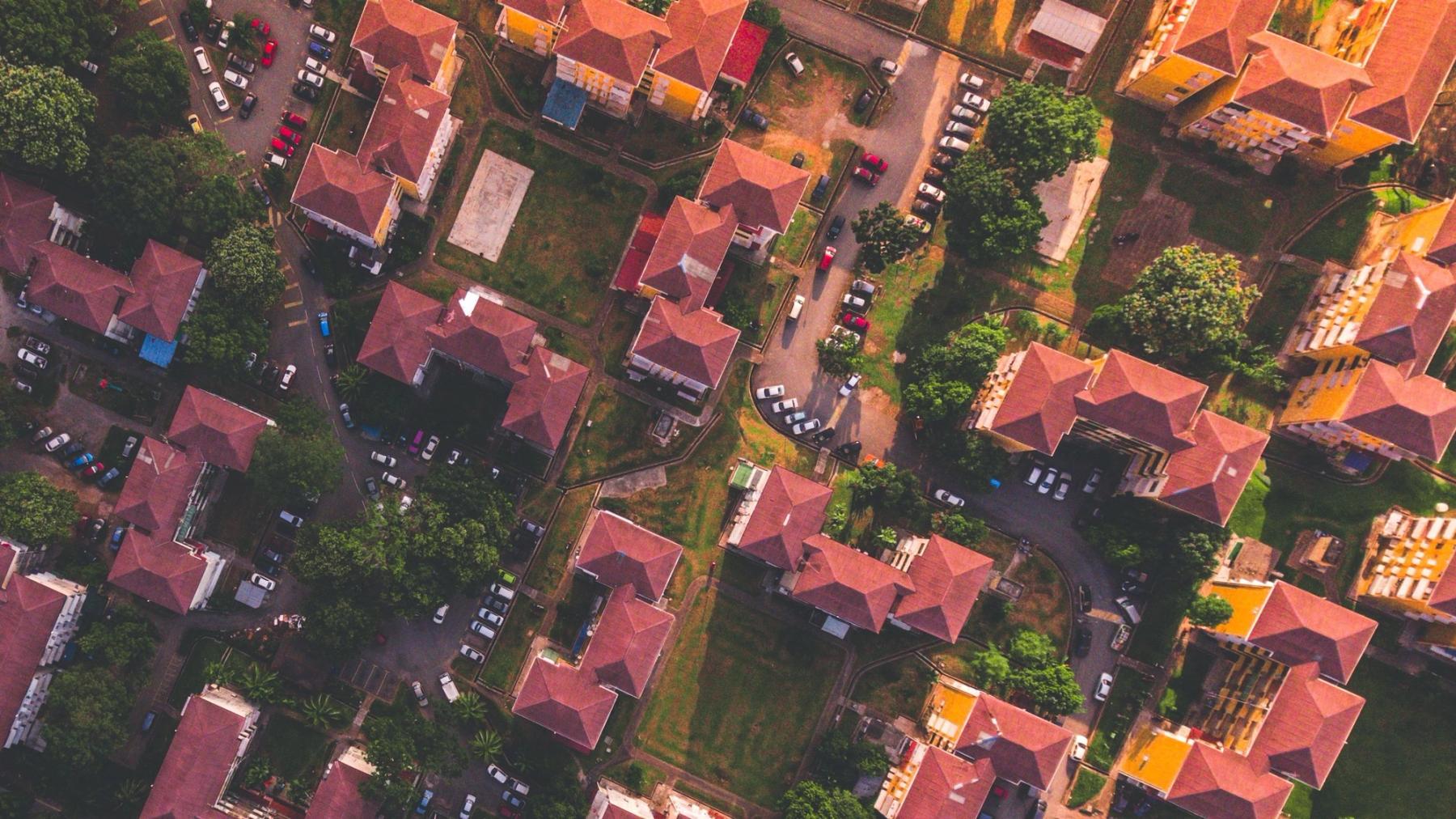
In Kigali, the neighbourhood you choose is the single biggest decision you make about your monthly budget. Rent is the largest cost most people carry, and it varies more by location than by almost anything else. Two people with the same job and the same size apartment can pay wildly different rent depending only on which part of the city they picked.
This is a comparison of Kigali's main residential areas by cost, so you can see how they stack up before you commit. Exact rents shift constantly and depend on the specific place, so treat these as relative positions rather than fixed prices. All figures are in Rwandan francs, for 2026, and the honest headline is simple: where you live is the lever.
The more affordable areas
Neighbourhoods like Nyabugogo, parts of Kimironko, and Kicukiro tend to sit at the more affordable end of the market. They offer real value, often more space for the money, in exchange for being further from the central business districts or a little less polished.
Kimironko is popular for exactly this balance: it is well connected, has a big and useful market, and keeps rents more reasonable than the central areas. Nyabugogo, as a major transport hub, tends toward the lower end too. For someone prioritising keeping rent down while staying genuinely connected to the city, these areas are where the math works.
The middle of the market
Areas like Remera and Nyamirambo occupy the middle ground. Remera is central, busy, and well served by transport, which keeps it in demand and pushes rents up from the cheapest areas without reaching the top tier. Nyamirambo is one of the city's most characterful and lively neighbourhoods, dense and social, with a range of housing that spans from affordable to mid-market depending on the exact spot.
These middle areas are often the sweet spot: not the cheapest, but central and convenient enough that you save on transport and time, which offsets some of the higher rent.
The premium areas
Kacyiru, Kimihurura, Gacuriro, Nyarutarama, Kiyovu, Rebero and Kibagabaga sit at the top of the market. These are the central or polished, sought-after neighbourhoods, close to offices, embassies, and the nicer amenities, popular with expats and better-off professionals, and their rents reflect it, often running well above the rest of the city.
This is also where the international cost-of-living websites get their numbers, which is why those sites make Kigali look so expensive. They are quoting the premium tier as if it were the whole city. For most people living on local incomes, these areas are aspirational rather than typical, and there is no need to treat their prices as the benchmark for what Kigali costs.
The real trade-off: rent versus transport
The neighbourhood decision is never only about rent. A cheaper area further out can mean higher transport costs and more time commuting, while a pricier central area cuts both. The right question is not "where is rent lowest" but "where is my total cost, rent plus transport plus time, lowest for the life I actually live."
Someone who works centrally and commutes daily might come out ahead paying more to live close. Someone who works from home or nearby might save significantly by choosing an affordable area further out. The answer depends on you, which is exactly why a blanket "best neighbourhood" list is useless and a real comparison is not.
Choosing with your real numbers
The only way to make this decision well is to know your actual costs, both what you would pay in rent and what you currently spend getting around. Most people know the first and badly underestimate the second.
Pebla helps you see the full picture. It reads your mobile money messages on Android and sorts your spending into categories automatically, so you can see what transport is really costing you today, and weigh that against the rent you would save by moving further out. And wherever you land, it handles the everyday payments of that area, electricity, water, airtime, from one place. The neighbourhood that is genuinely cheapest for you is the one the real numbers point to, not the one with the lowest rent on paper.
Download Pebla on the App Store and Google Play.
Related: What it actually costs to live in Kigali per month · Housing in Kigali · The most affordable neighbourhoods to live in Kigali