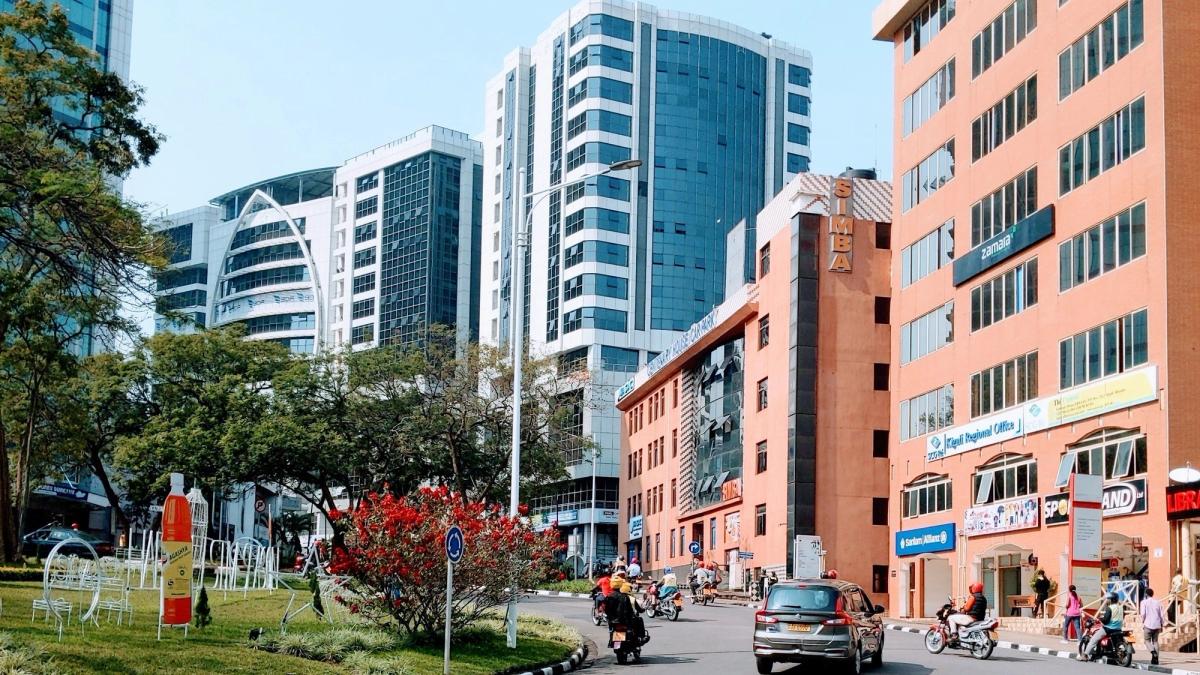
A car in Kigali is a real step up in convenience, and a real step up in cost, most of which arrives after you have bought it. The purchase price is the number people focus on, but it is the running costs, the recurring, easy-to-underestimate ones, that decide whether a car is comfortable or a constant drain. Here is the honest picture of what owning and running a car in Kigali actually costs.
Buying it: the entry cost
There are a few routes to buying a car. Used cars from people leaving the country, often posted in local and expat groups, are one of the more affordable options. Local car markets and dealers offer both used and imported vehicles, with dealers importing from Japan, Germany, Korea and elsewhere. Prices swing enormously by age, make, and condition, so the purchase is the one big variable you control at the start.
Whatever you pay to buy, though, is only the entry ticket. The costs that follow are the ones that shape your budget month after month.
Fuel: the big recurring cost
Fuel is the largest ongoing cost for most car owners, and it scales directly with how much you drive. In a city where a moto or a short bus ride is the cheap alternative, the daily convenience of driving comes at a fuel cost that adds up quickly. Before buying, it is worth being honest about how much you will actually drive, because that number, more than the purchase price, determines what the car costs you to live with.
Insurance and the annual inspection
Car insurance is a required, recurring cost, and one to factor in from the start rather than treat as optional. On top of that, every car in Rwanda must pass a mechanical inspection, once a year for private cars, arranged through the iRembo services platform. The inspection itself is a modest fee, but a car that fails needs repairs to pass, which is a cost that can arrive with little warning if the vehicle is older.
The costs that catch people out: fines and parking
Here is where car ownership quietly gets more expensive. Rwanda has an extensive network of speed cameras, and fines are issued automatically to the phone number registered to the vehicle. Crucially, if you do not pay a fine within a few days, an extra charge is added on top, so a forgotten fine becomes a bigger one. You can check fines by dialling a USSD code or through the police and iRembo platforms, and pay them the same way.
Then there is parking. Street parking in the city is managed and charged, with a notification sent to the car owner and a fee to settle, on an hourly basis. Individually these are small, but for a regular city driver, fines and parking are exactly the kind of frequent, forgettable costs that add a meaningful and invisible layer to the true cost of the car.
The honest total
Put it together and the real cost of a car in Kigali is the purchase price spread over time, plus fuel that scales with your driving, plus insurance, plus the annual inspection and any repairs to pass it, plus the steady drip of fines and parking. The recurring costs, taken together, often matter more to your budget than the sticker price, because they never stop.
This is exactly why the town-versus-commute question is worth doing honestly: for some people a car genuinely earns its cost in convenience and time; for others, the running costs outweigh what a mix of motos, buses and the occasional cab would run. Only the real numbers tell you which.
Keeping the running costs visible
The danger with a car is that its costs are scattered: fuel here, a fine there, parking, an inspection once a year, insurance on its own cycle. No single one feels large, and together they are easy to lose track of, which is how a car ends up costing far more than the owner realises.
Pebla helps you see the whole picture. On Android it reads your mobile money messages and sorts your spending automatically, so the fuel, the fines, the parking, the payments that make up the true cost of your car, become visible in one place rather than scattered across the month. And it pays the bills and settles the fees, like traffic fines and iRembo services, from the same app. A car is a big commitment. Seeing what it actually costs you is how you keep that commitment worth it.
Download Pebla on the App Store and Google Play.
Related: What it actually costs to live in Kigali per month · Living in town vs commuting in Kigali · Why small, frequent spending does the most damage