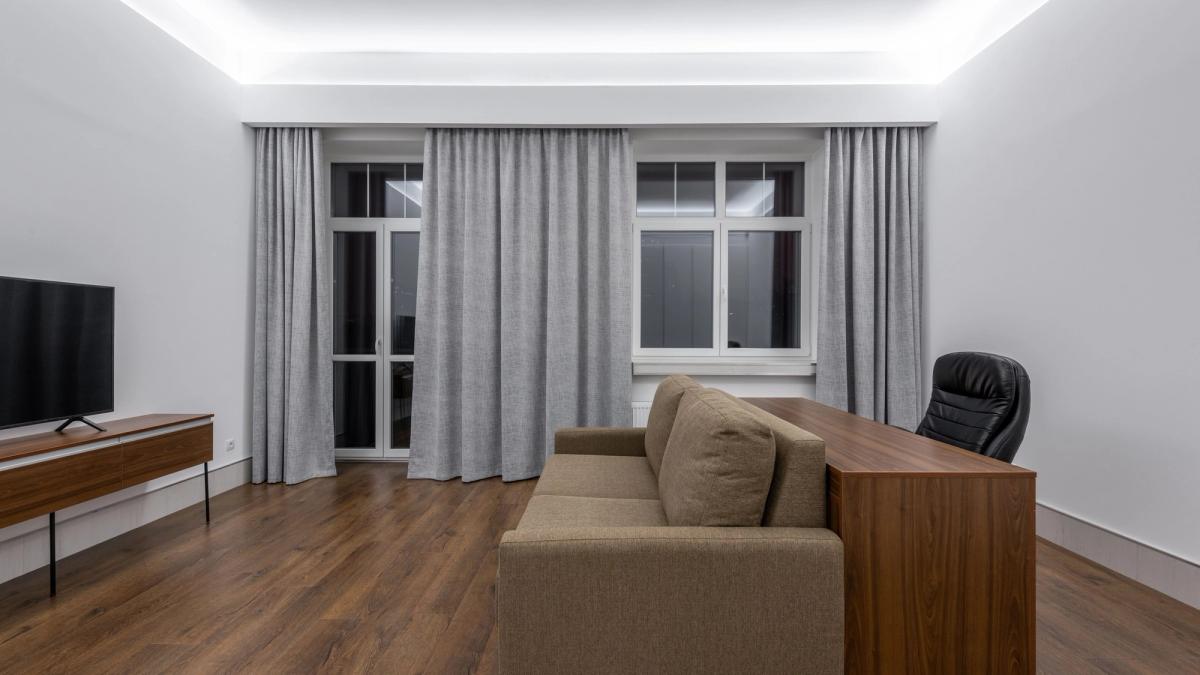
Furnishing a new place is where a lot of people overspend in Kigali, usually by trying to do it all at once. An empty apartment feels like it needs everything immediately, and the pressure to fill it fast leads to buying too much, too soon, often at the wrong prices. It does not have to work that way. Here is how to furnish a home in Kigali sensibly, spreading the cost and getting good value.
Local versus imported: the biggest cost decision
The single biggest factor in what furnishing costs you is whether you buy local or imported. Rwanda has genuinely good local woodworking and furniture-making, and locally made pieces, bed frames, tables, cabinets, sofas, cost far less than imported equivalents while often being solidly built. Imported furniture is available and can be beautiful, but you pay a heavy premium for it.
For anyone on a budget, the answer is mostly local. Gakinjiro, Kigali's main furniture market, is the obvious place to start: it is a large cluster of woodworking workshops where you can buy ready-made pieces or have furniture made to your specification, usually at far better value than a showroom. Making things to order is often good value if you show the maker a clear picture or sample of what you want. Reserving imported pieces for the few things you really care about, and going local for the rest, is how you furnish well without overspending.
Buy in the right order
The mistake that costs the most is trying to furnish the whole place in the first week. You do not need to. A far cheaper and calmer approach is to start with only the true essentials, the things you cannot sleep or function without, and add the rest over time as your budget allows.
The genuine day-one list is short: somewhere to sleep, somewhere to sit, the basics for cooking and eating, and a few practical necessities. Everything else, the nicer furniture, the decorative touches, the things that make a place feel finished, can come gradually. Furnishing over a few months instead of a few days spreads the cost, lets you find better deals as you go, and usually results in better choices, because you buy what you actually need rather than what you panicked into.
Where to find value
Beyond the local workshops, value comes from a few habits. The markets and smaller shops for household essentials rather than the pricier supermarkets. Second-hand and passed-on furniture, which can be excellent value, especially when people are leaving the country or moving and selling off a whole home at once. Facebook Marketplace and the local buy-and-sell groups are worth checking regularly for exactly this, including the expat and community groups where people offloading furniture cheaply before they move tend to post. And, as with so much in Kigali, word of mouth: asking around usually surfaces a good workshop or a good deal that no listing would.
The bigger picture: it is a one-off cost worth pacing
Furnishing sits alongside the deposit and setup costs as part of the real expense of moving in, and like those, it is a large one-off that rewards planning. Paced sensibly, it is manageable. Rushed, it is one of the easiest ways to blow through money in your first weeks in a new place.
Furnishing without the financial stress
The reason furnishing strains budgets is that it collides with every other move-in cost at once, and it is tempting to just keep spending until the place feels done. Pacing it works far better, and pacing requires knowing what you have to spend.
This is where seeing your money clearly helps. Because Pebla reads your mobile money messages on Android and sorts your spending automatically, you can see what you are spending as you furnish and how much room you actually have, so you buy at a pace your budget can carry rather than all at once. And it lets you set money aside toward the bigger pieces you want to add over time. A well-furnished home is worth having. Getting there without wrecking your first few months is worth even more.
Download Pebla on the App Store and Google Play.
Related: The real cost of setting up a new apartment in Kigali · What it actually costs to live in Kigali per month · How to start saving when money is tight